

No diet helps against LIP and/or lymphedema
Lipedema is caused by abnormal fat deposits that lead to thick legs and pain. Women suffer both physically and mentally as a result of this condition.
Here, we will support you with information about lipedemas and lymphedemas and show you effective solutions.
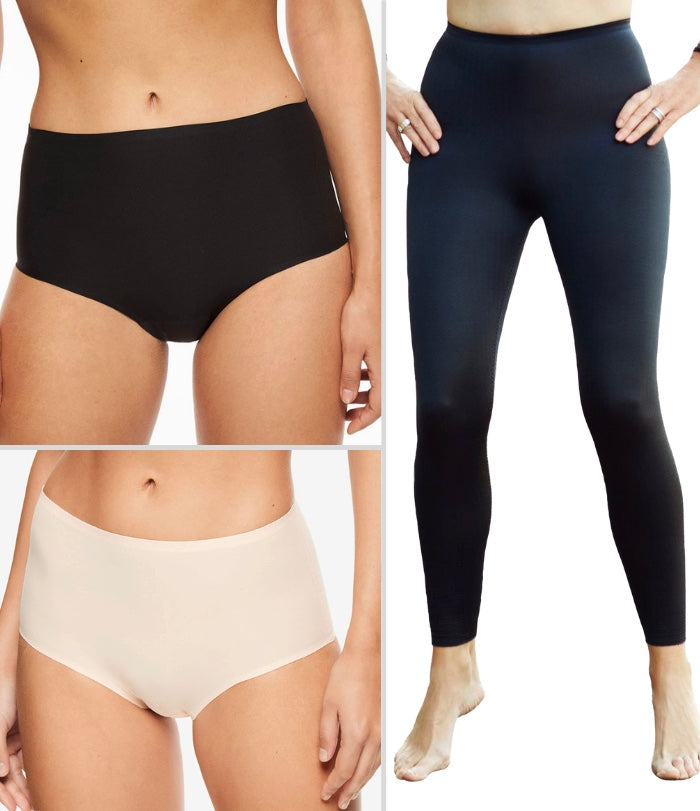
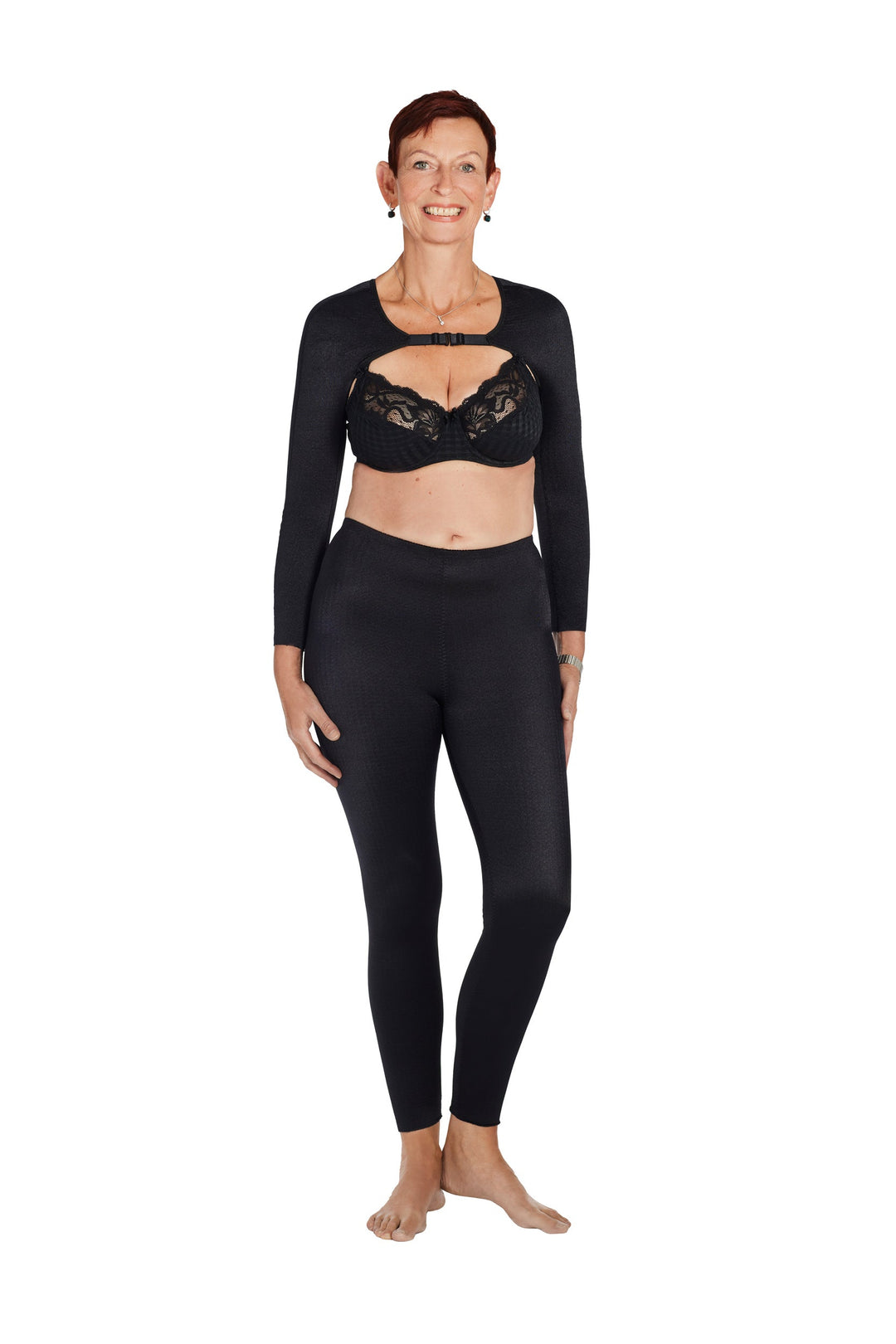
We want to provide you with the support you need so that you can regain your quality of life! - with our Wonder Leggings.
Different types of lipedema and lymphedema
Here is a brief overview of different types of edema, their causes and symptoms, to provide you with a basic introductory understanding.
SYMPTOMS
- often asymmetric swelling
- often starts away from the midline of the body
- Damage to the lymphatic vessels leads to fluid buildup or connective tissue hardening
- Congestive symptoms and feelings of tightness, rarely pain
CAUSES
- hormonal transition phases such as puberty, pregnancy, or menopause
- testosterone deficiency
- hereditary predispositions
SYMPTOMS
- symmetrical, relatively sudden volume increase, usually in the thighs
- often a narrow waist and large hip circumference
- often starts near the center of the body
- often accompanied by tenderness and pain
- rapidly forming bruises
- feelings of tightness and lumps under the skin
CAUSES
- additional lymphatic stasis in lipedema
- symptoms identical to those of lymphedema
- accumulation of lymph fluid, most commonly in the feet and toes
WHAT IS LIPEDMA?
Lipedema is a painful fat distribution disorder that primarily affects the thighs and buttocks . Over the course of many years, this condition can cause the legs to progressively lose their contour and develop fat pads. It occurs almost exclusively in women.

The most noticeable sign, however, is distorted body proportions: women with a normal upper body may have very prominent buttocks and excessively thick thighs. However, especially in the early stages, it can be difficult to distinguish lipedema from obesity, which is pathological excess weight. Lipedema is characterized by tenderness of the fatty tissue, which is not present with obesity. That is why lipedema is also referred to as lipohyperplasia dolorosa: increased, painful fatty tissue.
Lipedema in detail
The causes of lipedema have not yet been fully researched and clarified. Uncontrolled proliferation of fat cells in the subcutaneous tissue and water retention can arise due to hormonal changes during puberty, pregnancy, or menopause. In addition, genetic predisposition can play a role in the tendency to develop lipedema. Lipedema mainly affects girls and women. By contrast, men are only affected by lipedema in exceptional cases such as hormonal disorders.
Noticeable body proportions are a key symptom, but are often dismissed as simple overweight. However, to rule out a chronic condition like lipedema, it’s important to seek professional evaluation, and the following questions can help:
- Are my legs always getting thicker, even when I eat a healthy diet and exercise?
- Do I have visible cellulite on my thighs, even when wearing tight clothing?
- Do I experience pain in my legs when pressure is applied or they’re touched?
- Do my legs often feel heavy—like there are weights hanging from my ankles?
- Do I bruise easily from minor bumps? Often even large bruises that I can’t remember when they occurred?
- Is there a clear mismatch between my upper body and the area below my waist?
Women who can answer several of these questions with a clear “yes”—or even better, must—should consult their family doctor or a specialist, such as a lymphologist, phlebologist, or dermatologist.
Stadium 1: The skin surface is smooth, the subcutaneous adipose tissue is thickened, and the fat structure is still finely nodular.
Stadium 2: The skin surface is uneven, and the fat structure is coarsely nodular.
Stadium 3: The tissue is additionally thicker and harder. Furthermore, there are large-area deforming skin flaps.
Lipedema is a chronic, sometimes progressive disease and therefore incurable. For this reason, lipedema treatment must always cover a broad spectrum in order to achieve relief from swelling and pain , thereby improving the quality of life for female patients.
The Wonder Shorts can provide significant relief here.
WHAT IS LYMPHEDEMA?

Lymphedema develops due to a disruption in lymphatic drainage, where lymph fluid accumulates in the tissue, primarily in the legs, ankles, and feet, but also in other areas of the body such as the armpits following breast procedures or cancer. If left untreated, lymphedema can progress and lead to severe complications. The affected body parts swell, the skin hardens, and the mobility of those affected is severely restricted. In advanced stages, such as stage III lymphedema, previously known as 'elephantiasis', the swelling can no longer be pitted, and the affected areas are severely swollen, with thickened skin folds and dry, scaly skin. The risk of skin infection also increases. Timely treatment of the lymphatic drainage disorder is therefore essential to avoid serious long-term consequences.